Introduction to Dysphagia and Its Importance in Individual Safety
Dysphagia, the clinical term for ingesting difficulties, is a considerable concern in healthcare settings, particularly among senior individuals or those with neurological conditions. This problem can result in severe complications, consisting of ambition pneumonia, poor nutrition, and dehydration. For healthcare professionals, recognizing dysphagia is paramount-- not just for treatment however, for making certain client safety and security. This write-up delves into exactly how targeted dysphagia care training enhances client safety and security with thorough education and abilities development.
What Is Dysphagia?
Dysphagia refers to difficulty ingesting, which can originate from various reasons such as stroke, head and neck cancers cells, or neurodegenerative illness. Individuals with dysphagia might experience discomfort while swallowing (odynophagia), an experience of food being embeded the throat or breast, or even coughing during meals.

The Importance of Comprehending Dysphagia
Understanding dysphagia is crucial for healthcare providers due to the fact that it straight influences patient results. Proper treatments can prevent desire and make sure risk-free feeding practices.
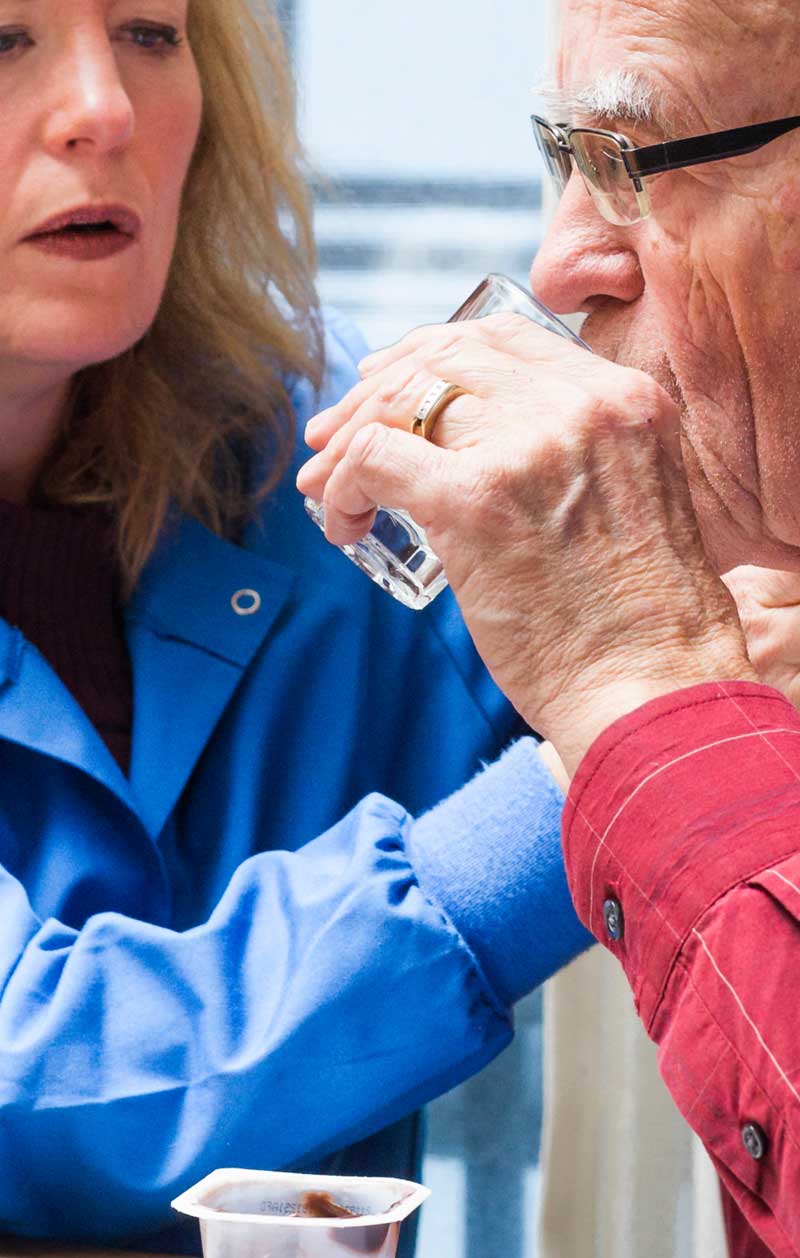
Enhancing Individual Security Via Targeted Dysphagia Treatment Training
Training programs particularly developed for dysphagia supply caregivers with the understanding and abilities needed to handle people properly. These training courses furnish https://jsbin.com/hedixirera staff with sensible methods to determine signs and symptoms of dysphagia early and execute suitable interventions.
The Role of Carers in Dysphagia Management
Carers play a vital duty in taking care of dysphagic patients. They are typically the very first factor of contact when a person shows signs of ingesting troubles. Therefore, providing targeted dysphagia training for carers aids them identify very early signs and respond appropriately.
Benefits of Dysphagia Training for Carers
Increased Awareness: Training raises recognition about the dangers connected with dysphagia. Skill Development: It gears up carers with certain abilities to assist patients during meals. Enhanced Communication: Reliable communication approaches can be taught to aid convey crucial details in between carers and medical care professionals.What Does a Typical Dysphagia Training Course Include?
A comprehensive dysphagia training course normally covers:
- Anatomy of swallowing Identification of threat factors Safe feeding techniques Emergency response protocols
This organized strategy enables personnel to gain a holistic understanding of the disorder.

Dysphagia Training for Treatment Personnel: A Necessity
Care team need to be trained in recognizing and managing dysphagic people. Their everyday communications make them essential in making sure safety and security throughout feeding times.
Essential Skills Acquired in Dysphagia Training Courses
- Assessment Techniques: Learning how to assess individuals' swallowing abilities. Diet Modification: Understanding how dietary changes can suit various levels of swallowing difficulties. Patient Monitoring: Recognizing what indications suggest prospective concerns throughout eating or drinking.
Dysphagia Training for Nurses: Why Specialized Understanding Matters
Nurses are at the center of patient treatment and play an important function in determining dysphagic clients early. Specialized training encourages nurses to perform effective assessments and execute needed interventions.
Key Areas Covered in Nursing Dysphagia Training
Clinical Analysis Protocols: Discovering standardized assessment tools. Intervention Strategies: Establishing personalized care strategies based on individual patient needs. Multi-disciplinary Collaboration: Working effectively within multidisciplinary groups to improve client outcomes.The Importance of Ongoing Education in Dysphagia Care
Healthcare is ever-evolving, making continual education and learning crucial. Routine updates on best methods ensure that treatment staff remain skilled at dealing with new challenges associated with dysphagic patients.
How Recurring Training Boosts Individual Outcomes
Through continuous education and learning:
- Staff keep informed about the latest study findings. New methods become integrated into practice. Patients obtain continually premium care.
The Influence of Targeted Dysphagia Care Training on Individual Safety
Targeted training decreases the risk related to feeding dysphagic people by boosting understanding amongst all staff members involved in their care.
Measuring Improved Outcomes Post-Training
Post-training assessments frequently show significant enhancements in:
- Reduction of desire incidents. Enhanced individual fulfillment scores. Decreased health center readmission prices due to problems developing from inadequately taken care of dysphagia.
Implementing Effective Dysphagia Support Equipment within Health Care Facilities
Creating robust support systems within health care facilities makes sure that all staff members are outfitted to handle situations entailing dysphasia effectively.
Components of an Effective Support System
Resource Accessibility: Offering very easy access to guidelines and protocol documents. Regular Workshops: Holding routine workshops enhances knowledge retention among staff members. Feedback Mechanisms: Developing channels whereby staff can report difficulties they face related to dysphasial management.FAQs Regarding Dysphagia Care Training
What is consisted of in a common dysphagia training course?- A typical training course includes composition education, evaluation methods, nutritional modifications, emergency responses, and communication approaches tailored for handling individuals with swallowing difficulties.
- All health care experts interacting with clients-- such as nurses, carers, speech therapists-- must undergo this specialized training for reliable administration practices.
- Regular re-training sessions must happen each year or bi-annually to keep up-to-date with new standards or methods created via research advancements.
- Yes! Family members taking care of individuals with dyslexia in the house can also benefit greatly from comprehending risk-free methods pertaining to meal prep work and guidance during eating times.
5. What are one of the most common dangers connected with without treatment dyslexia?
- Risks include ambition pneumonia (resulting from food entering the lungs), poor nutrition (due absence thereof), dehydration (from inadequate liquid intake), social isolation (due trouble consuming around others).
6 * Is there any type of accreditation offered upon conclusion?
- Many establishments provide certificates after completing their assigned training courses; these certifications show skills obtained with focused direction on handling people detected together with this condition.
Conclusion
In conclusion, enhancing client safety via targeted dysplasia treatment training is not just helpful; it's necessary within contemporary health care frameworks where every detail matters substantially toward improving general quality-of-care criteria supplied throughout centers worldwide today! By investing time into educating caretakers-- whether they're registered nurses working at health centers or individual aides helping customers in the house-- we pave courses leading toward more secure settings where everybody is entitled to dignity during mealtime experiences alike!
This write-up works as a comprehensive guide into exactly how targeted training campaigns around managing conditions like dyspraxia straight contribute towards elevating requirements regarding both professional technique efficacy & & general individual complete satisfaction ratings seen throughout various markets involved therein!