Introduction
In medical care, effective airway and air flow administration is paramount. This overview acts as a necessary source for health care professionals looking for to strengthen their understanding of these critical elements in individual treatment. From standard ventilator programs to specialized training for registered nurses, we will certainly explore numerous elements, techniques, and approaches that emphasize the relevance of appropriate airway monitoring and ventilation.
What is Airway and Ventilation Management?
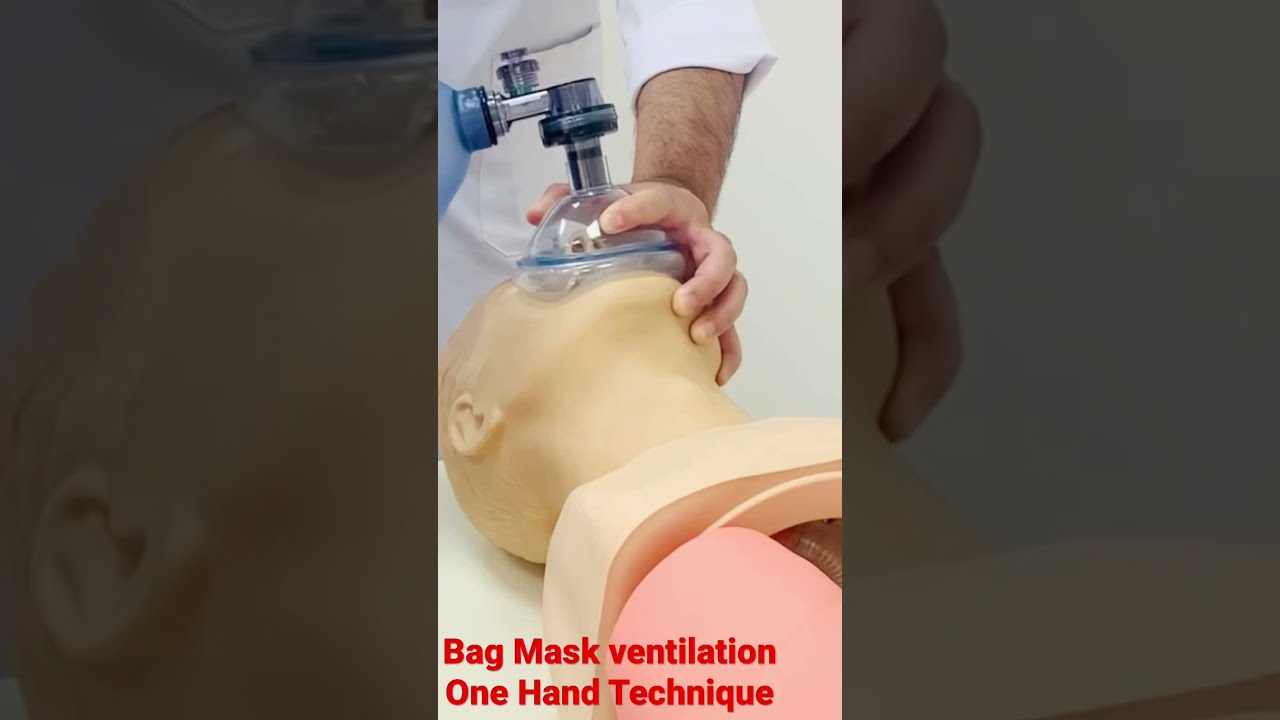
Airway and ventilation monitoring refers to the strategies utilized to maintain or recover breathing in people that are not able to take a breath properly on their own. It includes a large range of interventions from fundamental airway clearance approaches to advanced mechanical air flow methods. Recognizing these methods is crucial for all healthcare experts, especially those associated with emergency situation medication, crucial care, and anesthesia.
The Significance of Airway Monitoring and Ventilation
Effective airway administration can be the difference between life and death. Problems like respiratory system distress or failure can promptly rise if not dealt with promptly. Appropriate training in respiratory tract monitoring makes certain that healthcare providers can acknowledge when intervention is required and perform appropriate responses.
Basic Ideas of Airway Management
Before diving deeper right into various training alternatives readily available, it's necessary to comprehend some fundamental principles:
- Airway Obstruction: A blockage that prevents air from getting in the lungs. Ventilation: The procedure of moving air into and out of the lungs. Oxygenation: The distribution of oxygen from the lungs to the bloodstream.
Your Full Overview to Effective Airway and Air Flow Administration Strategies
This area will meticulously describe various strategies used in airway management and air flow. We'll cover everything from essential principles to complicated strategies utilized in important treatment settings.
Fundamentals of Respiratory tract Clearance Techniques
Positioning for Air passage Patency
Positioning a person properly can considerably improve respiratory tract patency. For example:
- Supine position Lateral position Elevating the head
Manual Maneuvers
Techniques such as chin-lift or jaw-thrust maneuvers can aid open up a blocked airway effectively.
Mechanical Air flow Basics
Mechanical ventilation is usually required when people can not launch breath separately. Recognizing how ventilators work-- especially modes like assist-control (AIR CONDITIONER) or stress assistance-- is vital for clinicians.
Types of Mechanical Ventilators
Volume-Cycled Ventilators Pressure-Cycled Ventilators High-Frequency VentilatorsVentilator Training for Nurses
With raising reliance on ventilatory support systems, specialized training programs tailored for registered nurses have come to be crucial.
Key Understanding Goals in Ventilator Educating Courses
- Understanding ventilator settings Recognizing alarm system patterns Managing typical complications
Advanced Air passage Administration Techniques
As complexities in person physiology rise, so does the need for innovative techniques.
Endotracheal Intubation Procedures
Intubation stays one of one of the most important skills in respiratory tract administration. It includes placing a tube into a patient's trachea to maintain an open pathway for ndis ventilation course air.
Indications for Intubation
- Severe breathing distress Loss of safety respiratory tract reflexes Need for long term mechanical ventilation
Tracheostomy and Ventilator Training
A tracheostomy may be done when extended intubation is expected, permitting simpler accessibility to the respiratory tract without causing damages to vocal cords.
Steps Involved in Doing a Tracheostomy
Sterile preparation Incision making Tube insertionUnderstanding Various Settings of Mechanical Ventilation
Different modes supply special advantages depending upon individual needs.
Assist-Control Mode vs Stress Support Mode
Both modes serve various purposes:

- Assist-Control (AIR CONDITIONER) supplies pre-set breaths yet permits spontaneous breathing. Pressure Support gives help during spontaneous breaths only.
Indications for each and every Mode
Each setting has details circumstances where it is most useful, which healthcare providers must be proficient at identifying.
Ventilator Pressure Support Explained
Ventilator pressure support assists clients with their breathing efforts while assisting them conquer resistance used by endotracheal tubes or tracheostomy tubes.
Benefits of Pressure Support
Reduced job of breathing Improved convenience levels Enhanced synchrony in between individual initiative and maker responseNDIS Ventilation Training Course Overview
For professionals dealing with clients calling for long-term ventilation under Australia's National Special needs Insurance coverage System (NDIS), specialized training programs are available.
Key Elements Covered in NDIS Courses
- Patient assessment Equipment selection Emergency protocols
FAQs concerning Air passage and Ventilation Management
1. What is ventilator support?
Ventilator support describes mechanical aid offered by devices created to assist patients take a breath when they can refrain so effectively on their own, making certain appropriate oxygen supply while eliminating carbon dioxide effectively.

2. Why are ventilation training courses important?
Such programs outfit medical care professionals with crucial skills required for managing people that require respiratory system assistance, allowing them to respond effectively throughout emergencies that entail compromised respiratory tracts or insufficient ventilation.
3. How do I begin with tracheostomy and ventilator training?
Many establishments provide dedicated programs focusing on tracheostomy treatment within more comprehensive ventilator training programs targeted at nurses or other doctor working directly with these patients.
4. What ought to I try to find in a standard ventilator course?
Ideal programs ought to cover basic ideas associated with mechanical air flow auto mechanics in addition to hands-on practice sessions concentrating on repairing typical issues faced during medical application.
5. Can I take an on-line training course on airway management?
Yes! Numerous trusted organizations provide on-line components covering fundamentals like respiratory tract makeup, threat aspects related to hard intubations, and so on, making education accessible regardless of geographical constraints.
6. Are there any type of refresher courses available?
Absolutely! Constant education and learning via refresher courses helps make certain that practitioners stay upgraded regarding innovations within modern technology used for efficient respiratory tract management & & air flow strategies over time; this inevitably boosts individual end results during essential situations!
Conclusion
In recap, grasping effective air passage and air flow monitoring methods is important not just for conserving lives yet additionally improving general person end results when taking care of respiratory system challenges. By taking part in organized training programs-- varying from fundamental ventilator training courses to sophisticated tracheostomy strategies-- healthcare specialists can improve their experience significantly ndis ventilation training course while guaranteeing they are well-prepared for real-world circumstances run into within professional setups worldwide!
This detailed expedition intends not simply at providing expertise yet equipping healthcare specialists with confidence through education; nevertheless-- efficient treatment starts with understanding!